There’s a quiet revolution happening in tribal wellness — it has far less to do with equipment and far more to do with people, systems, and community connection.
Orien's message was direct, “I don’t think we have a money problem. I think we have an operations problem.”
And honestly? It’s a conversation Indian Country needs to have.
Interview with Orien Fiander
Transforming Tribal Wellness Through Operations, Not Equipment
There’s a quiet revolution happening in tribal wellness — and according to Native Fitness founder OJ Fiander, it has far less to do with equipment and far more to do with people, systems, and community connection.
In a recent episode of Tribal Health Podcast, Fiander shared a powerful perspective on why many tribal wellness facilities struggle to create long-term impact — despite significant investment in buildings, equipment, and funding.
His message was direct:
“I don’t think we have a money problem. I think we have an operations problem.”
And honestly? It’s a conversation Indian Country needs to have.
Wellness Is More Than Fitness
Native communities across the United States continue to face significant health disparities, limited access to wellness resources, and increasing rates of chronic illness.
But Fiander believes the answer isn’t simply building more facilities.
It’s creating environments people actually want to use.
Over the last seven years, Fiander and his team at Native Fitness have worked with tribes nationwide, helping design and equip wellness centers while also consulting on the operational side — the often-overlooked factor that determines whether a facility thrives or becomes another empty building.
According to Fiander, many facilities are missing foundational systems:
Staff training
Member engagement
Community outreach
Usage tracking
Proper operating hours
Follow-up systems
Hospitality culture
Without those pieces, even the most beautiful facility can fail.
“The Front Desk Matters More Than You Think”
One of the most impactful moments from the interview centered around something surprisingly simple: greeting people by name.
Fiander explained that many tribal wellness centers unintentionally create cold or disconnected experiences. Staff members often sit behind the desk with minimal interaction, turning what should feel like a welcoming community hub into an uncomfortable environment.
That matters more than most people realize.
For many people beginning a fitness journey, walking through the doors is already intimidating. Feeling acknowledged, welcomed, and encouraged can determine whether someone comes back tomorrow.
As podcast host Mario Trujillo shared, the difference between a gym that ignored him and one that welcomed him completely changed his consistency and confidence.
Fiander sees wellness as something much deeper than exercise alone:
“Wellness isn’t just fitness. It’s way more than that.”
Sometimes wellness starts with someone simply saying: “Hey, thanks for coming in today.”
The Biggest Problem? Facilities Built to “Check a Box”
One of the strongest themes throughout the conversation was frustration with performative wellness investments.
Fiander described how some tribes build wellness facilities simply because funding exists — not because there’s a long-term operational strategy.
In many cases:
Facilities operate limited hours like 8 AM–5 PM
Usage metrics are never tracked
Staff lack business or fitness management training
Programs aren’t designed for the full community
Equipment maintenance is inconsistent
And perhaps most importantly: there’s no accountability system measuring whether the facility is actually improving community health.
Fiander repeatedly asked a question many leaders struggle to answer:
“How do you know if what you’re doing is working?”
Without metrics, outreach, and operational standards, wellness centers become passive spaces instead of active drivers of community health.
Why Tribal Wellness Must Focus on Prevention
Another powerful point raised in the episode was the imbalance between treatment and prevention.
Fiander noted that many tribal healthcare systems invest heavily in medical facilities while preventative wellness spaces remain underdeveloped or underutilized.
As he put it:
“We’ll wait until you get sick, then we’ll take care of you.”
That reactive model isn’t sustainable.
Instead, Native Fitness advocates for:
accessible fitness spaces,
welcoming community environments,
proactive outreach,
operational excellence,
and consistent engagement before health crises begin.
The goal isn’t simply exercise.
The goal is long-term community wellness.
Younger Generations Are Changing the Conversation
One encouraging insight from the discussion was the rise of younger generations embracing health and fitness culture.
Fiander shared that his health clubs are experiencing record growth among younger demographics, particularly ages 22–38.
At the same time, trends around alcohol consumption are declining among younger adults, while interest in wellness, movement, nutrition, and longevity continues to grow.
Social media, fitness education, and creators focused on wellness have played a role in shifting priorities.
For tribal communities, that momentum creates opportunity.
If wellness facilities are designed and operated correctly, they can become:
gathering spaces,
accountability systems,
cultural connection points,
and long-term preventative health tools.
Native Fitness Is Building More Than Gyms
What makes Native Fitness different is that the mission goes beyond selling equipment.
Fiander still personally participates in facility installs, staff training, and operational consulting.
The organization focuses heavily on:
SOP development,
staff education,
equipment maintenance training,
facility design,
member engagement,
and leadership development.
The goal is sustainability.
Not just opening a facility — but creating one that actually transforms lives.
Final Thoughts
This conversation highlighted something many organizations overlook:
Wellness facilities alone do not create healthier communities.
People do.
Leadership does.
Operations do.
Community connection does.
The future of tribal wellness may not depend on building more facilities — but on finally learning how to run them in ways that genuinely serve the people walking through the doors.
And if Native Fitness continues pushing this conversation forward, Indian Country may be entering an entirely new era of preventative health and community wellness.
Sam McCracken is a member of the Sioux and Assiniboine tribes in northeastern Montana on the Ft. Peck Indian Reservation, and the General Manager and Visionary of Nike’s N7 programs
There’s a quiet revolution happening in tribal wellness — it has far less to do with equipment and far more to do with people, systems, and community connection.
Orien’s message was direct, “I don’t think we have a money problem. I think we have an operations problem.”
And honestly? It’s a conversation Indian Country needs to have.
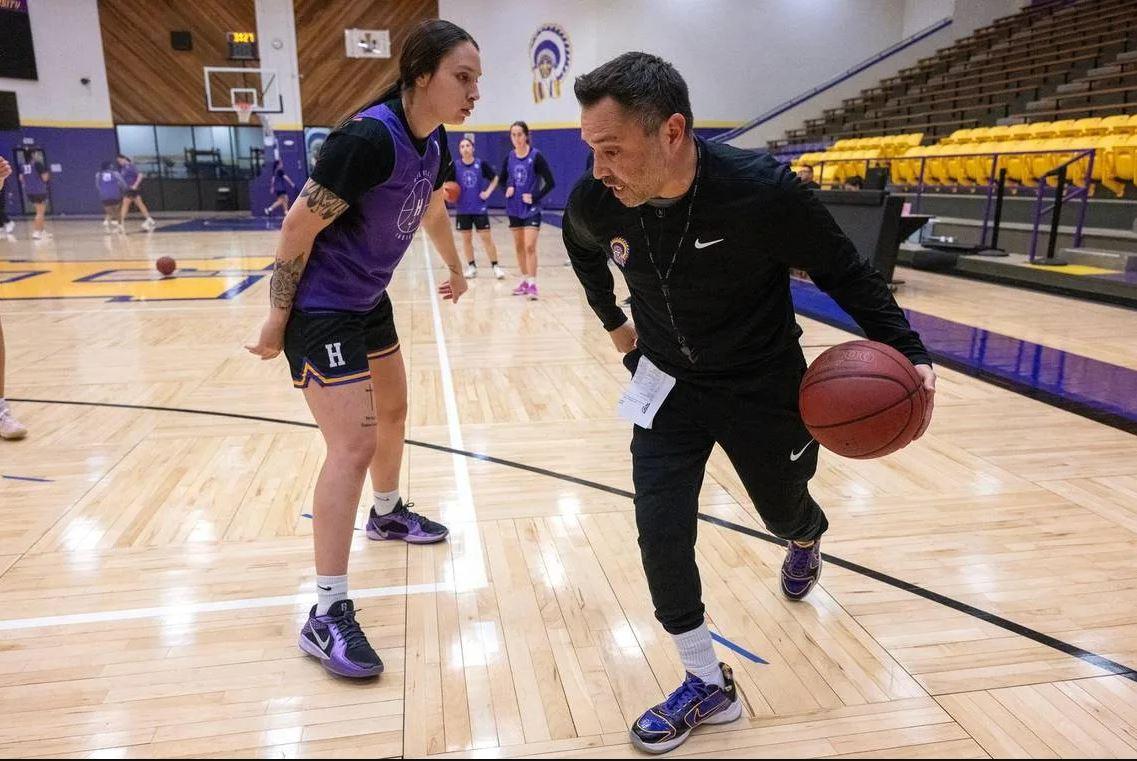
Passion over paycheck. That’s the mindset Strom carried forward as he vowed to continue coaching his team to Nationals, unpaid but unstoppable.
And that same fire has now led him to Native Fitness.org. We are beyond thrilled to welcome Adam Strom to the Native Fitness team, where his 20+ years of coaching experience will empower and uplift even more athletes. His work—recognized by The Washington Post and The New York Times—is a testament to his resilience, heart, and unwavering dedication to community.
If we are going to really improve the health disparities across Indian Country, we need to start with essential Metrics in the Fitness Facilities we do have. It’s typically not about more money, but rather maximizing what we have through understanding and operations. Know these three metrics to get started